Bentonite clay is a critical raw material for global infrastructure. Because high-grade natural sodium bentonite deposits are geologically concentrated in only a few regions—primarily the United States and western India—the global bentonite export market is highly active.
As countries invest in infrastructure, energy exploration, and environmental protection, the demand for industrial clays continues to rise.
This market report analyzes the trends driving the global bentonite trade, highlights key export markets, and covers the logistical challenges of shipping bulk minerals.
1. Global Demand Drivers: Where Is the Market Growing?
The demand for bentonite is driven by activity in key B2B industrial sectors, including infrastructure projects (piling slurry & civil engineering), oil & gas exploration (API drilling fluids), automotive production (foundry sand binders for casting), and environmental containment (geosynthetic clay liners).
Infrastructure Development (Middle East & Africa)
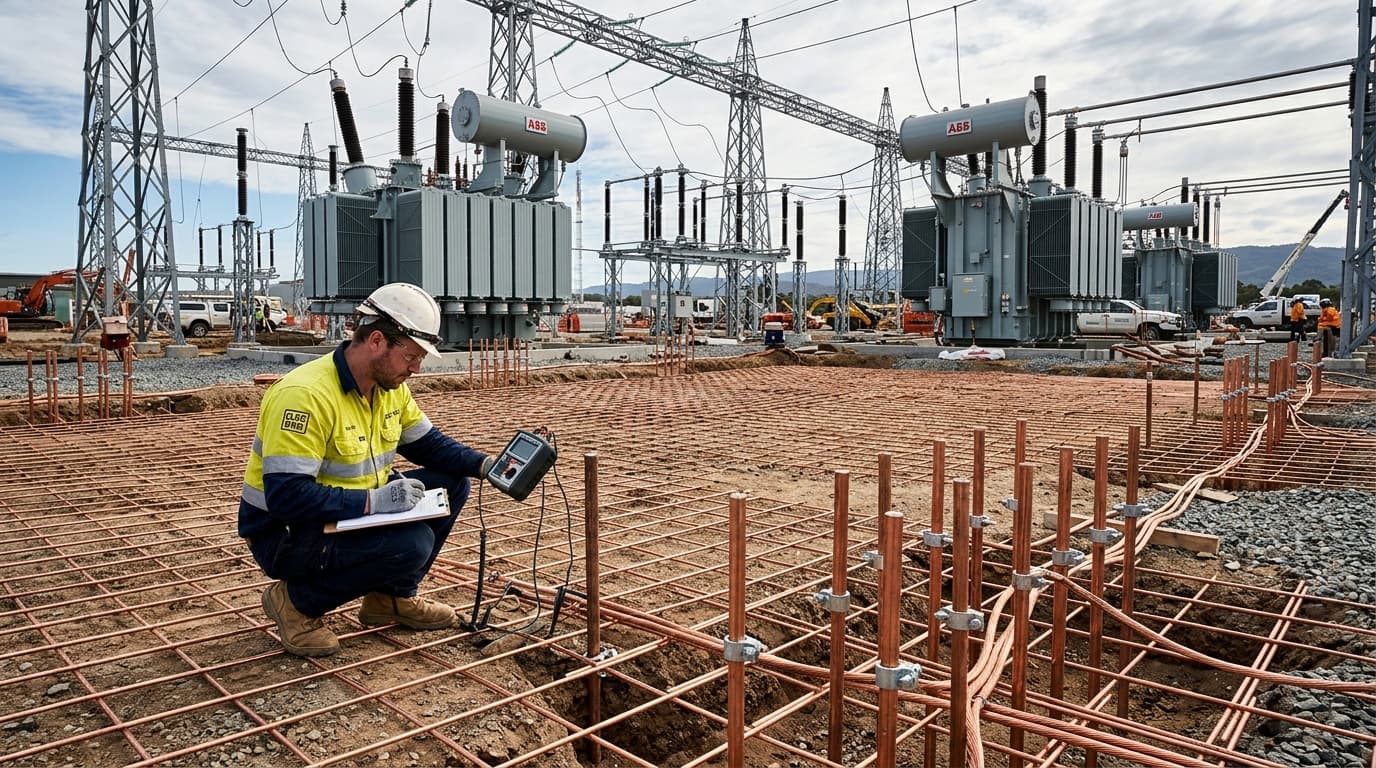
The GCC region (Saudi Arabia, UAE, Qatar) continues to invest in mega-projects, metro lines, and deep-foundation skyscrapers. These projects require large volumes of construction-grade bentonite for diaphragm walls and piling. Similarly, oil and gas exploration in East and West Africa is driving demand for API-grade drilling clays.
Automotive and Heavy Machinery Casting (Europe & East Asia)
Europe (especially Germany, Italy, and Poland) and East Asia (Japan, South Korea) are hubs for high-precision automotive casting. Foundries in these countries require high-durability sodium bentonite to manufacture engine blocks and structural components.
Environmental Containment (Americas & Europe)
Strict environmental regulations require waste sites, mining leach pads, and industrial ponds to be sealed with Geosynthetic Clay Liners (GCLs). This is creating a growing market for high-swell sodium bentonite with low permeability.
2. India's Position as a Leading Exporter
India, specifically the state of Gujarat, is a major player in the global bentonite market:
- Quality Advantage: Kutch bentonite is internationally recognized for its high swelling capacity, thermal durability, and yield point, making it competitive with Wyoming sodium bentonite.
- Cost Efficiency: Combined with natural solar drying and efficient milling operations, Indian producers can deliver high-quality bentonite at competitive prices.
- Proximity to Shipping Lanes: With processing plants located near Mundra and Kandla ports, Indian exporters can quickly ship containers and bulk vessels to destinations across the Middle East, Southeast Asia, and Europe.
3. Key Market Trends
B2B buyers should monitor three key trends in the bentonite industry:
- Shift to Activated Clays: In regions where natural sodium bentonite is expensive to import, buyers are using sodium-activated calcium bentonite for foundry casting and civil construction.
- Low-Dosage Iron Ore Binders: Steel manufacturers are seeking high-efficiency binders that reduce slag in blast furnaces. This is driving demand for bentonite with low silica and alumina impurities.
- Moisture-Resistant Packaging: With longer maritime transport times and unpredictable weather, buyers are requiring packaging with moisture barriers (such as laminated bags or liners) to prevent product degradation in transit.
4. Logistical Best Practices for International Shipping
Shipping bulk minerals across oceans requires careful planning:
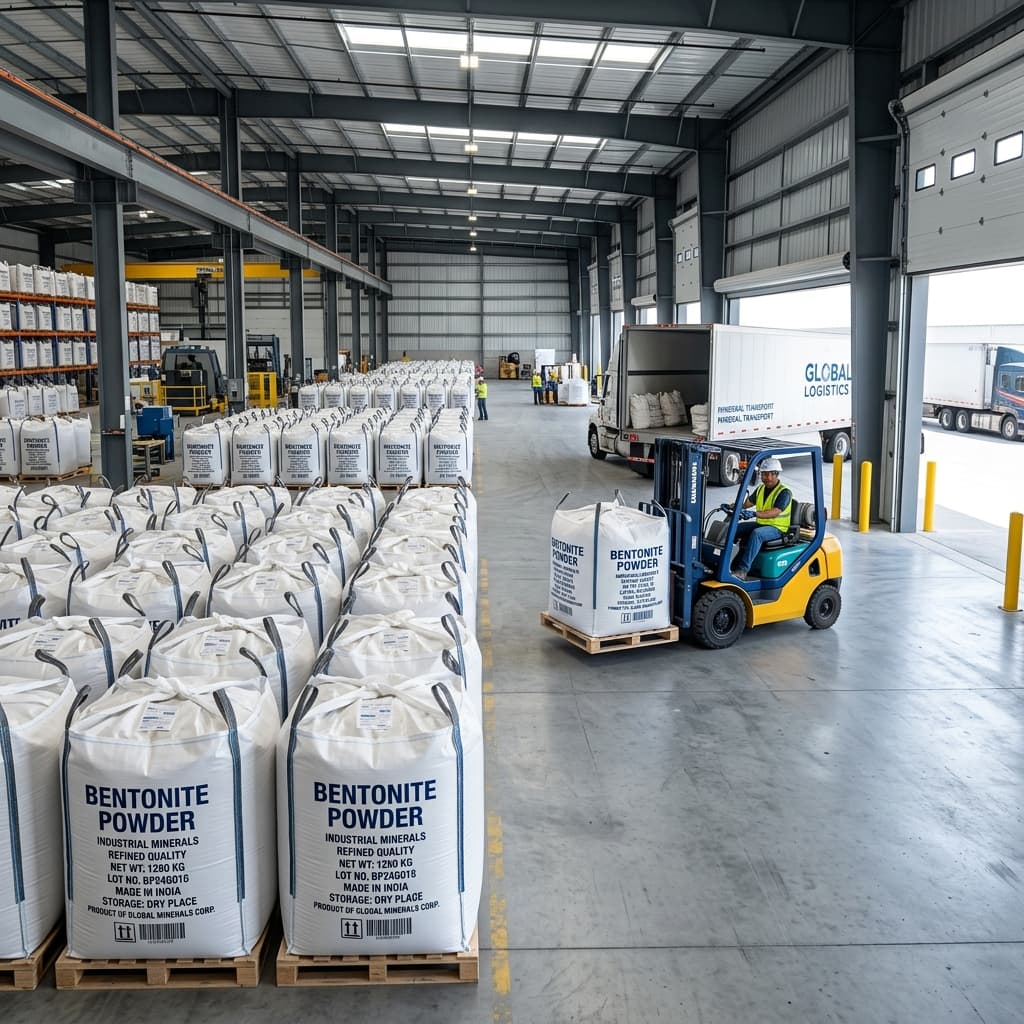
- Bulk Vessels vs. Containerized Shipping: Large iron ore pelletizing plants and drilling operators prefer bulk vessels (loose in hold) for shipments of 10,000 to 30,000 Metric Tons. Smaller foundries and chemical refiners prefer containerized shipping in 20-foot GP containers, utilizing jumbo bags or 25 kg bags.
- Moisture Protection: Clay powder can absorb ambient moisture, causing clumping. Exporters must use UV-stabilized, lined jumbo bags and ensure container floors are dry.
- Demurrage and Detention Management: Direct coordination between the exporter's customs team and the port authority is critical to ensure fast clearance and avoid port storage fees.
Conclusion: Securing Your Supply Chain
As global demand for industrial clays rises, securing a reliable supply of consistent, high-grade bentonite is essential. B2B buyers should partner with exporters who own their mines, operate modern processing facilities, and have established logistics networks.
Marjaan Minerals is a leading B2B bentonite exporter from India, shipping high-grade sodium and calcium bentonite worldwide from Mundra and Kandla ports in Gujarat.