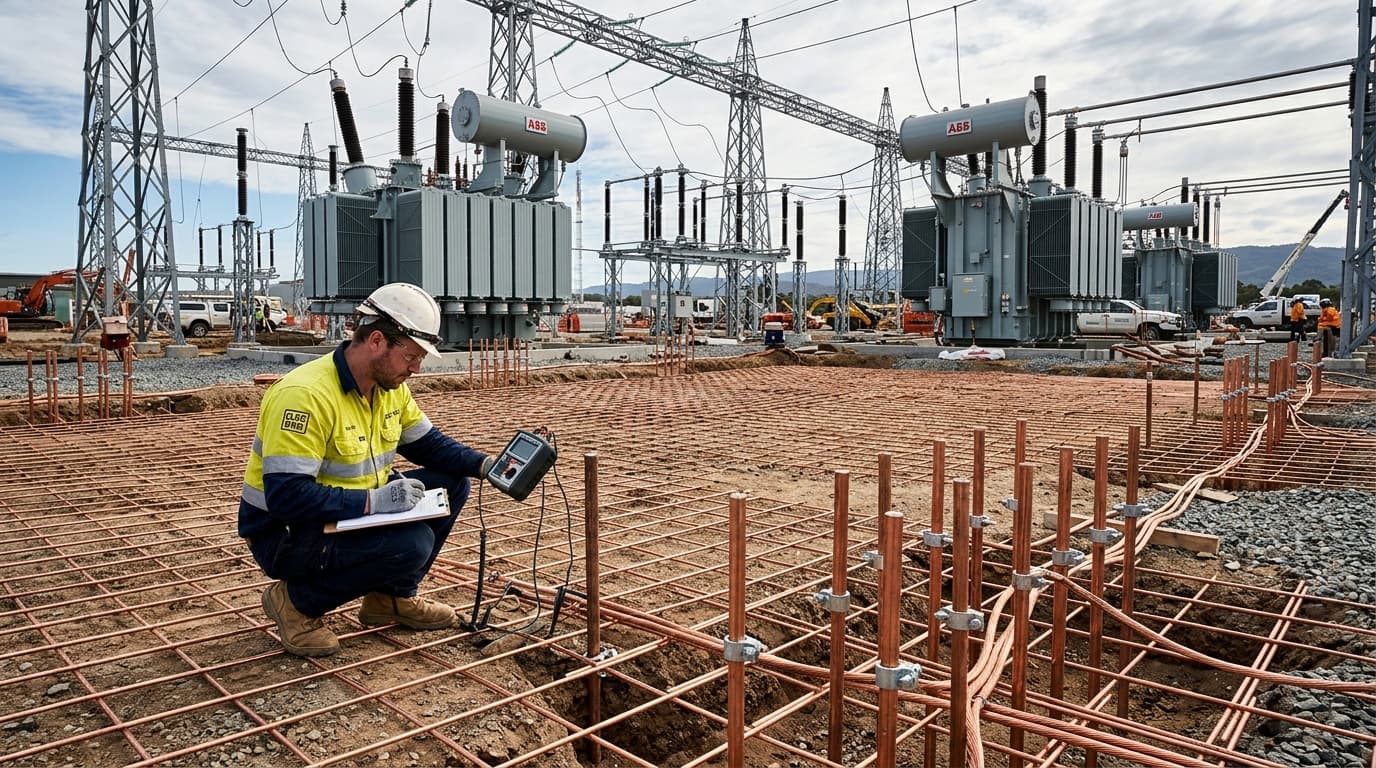
For procurement managers in oil drilling, civil engineering, steel manufacturing, and foundry sectors, bentonite is not just a raw material; it is a critical process additive. A variation in clay quality can lead to collapsed boreholes, weak steel pellets, or defective metal castings.
Selecting the right B2B bentonite supplier is a strategic decision that directly affects your operational efficiency and product quality.
This B2B buyer's guide covers the key factors to evaluate when selecting a bentonite manufacturer and exporter, ensuring you secure a consistent, high-quality supply.
1. Reserve Ownership and Geological Consistency
Bentonite is a natural product, meaning its quality is determined by the geology of the deposit.
- Avoid Middlemen: Look for suppliers who own their mines or have direct, long-term leasing agreements with mining concessions. This guarantees a steady supply of raw materials and prevents supply chain interruptions.
- Deposit Consistency: Ask the supplier for geological survey reports. Natural sodium bentonites, such as those from the Kutch region in Gujarat, India, are known for their high purity and consistent performance.
2. Processing and Milling Capabilities
How the clay is dried and ground is critical to how it behaves in your application:
- Drying Control: Raw bentonite contains 30% to 40% moisture when mined. It must be dried to between 8% and 12% before milling. Overheating the clay during drying can damage its crystal lattice, reducing its swelling index. Look for suppliers who use solar drying or temperature-controlled rotary dryers.
- Particle Size Customization: Different applications require different particle sizes. Foundries need powder ground to a specific mesh size, while civil engineers may require granular bentonite. Ensure your supplier has modern mills capable of achieving these specifications.
3. Laboratory Testing and Quality Assurance
A reliable supplier should operate an in-house laboratory equipped to test clay performance to international standards.
- API Testing: For drilling muds, the lab must be equipped to test to API Spec 13A standards (marsh funnel viscosity, fluid loss, grit content).
- Foundry Testing: For casting binders, the lab should test Green Compression Strength (GCS) and Wet Tensile Strength (WTS) to AFS guidelines.
- Traceability: Ensure the manufacturer provides a Certificate of Analysis (COA) for every batch shipped, linking the test results back to the mined lot.
4. Packaging and Shipping Options
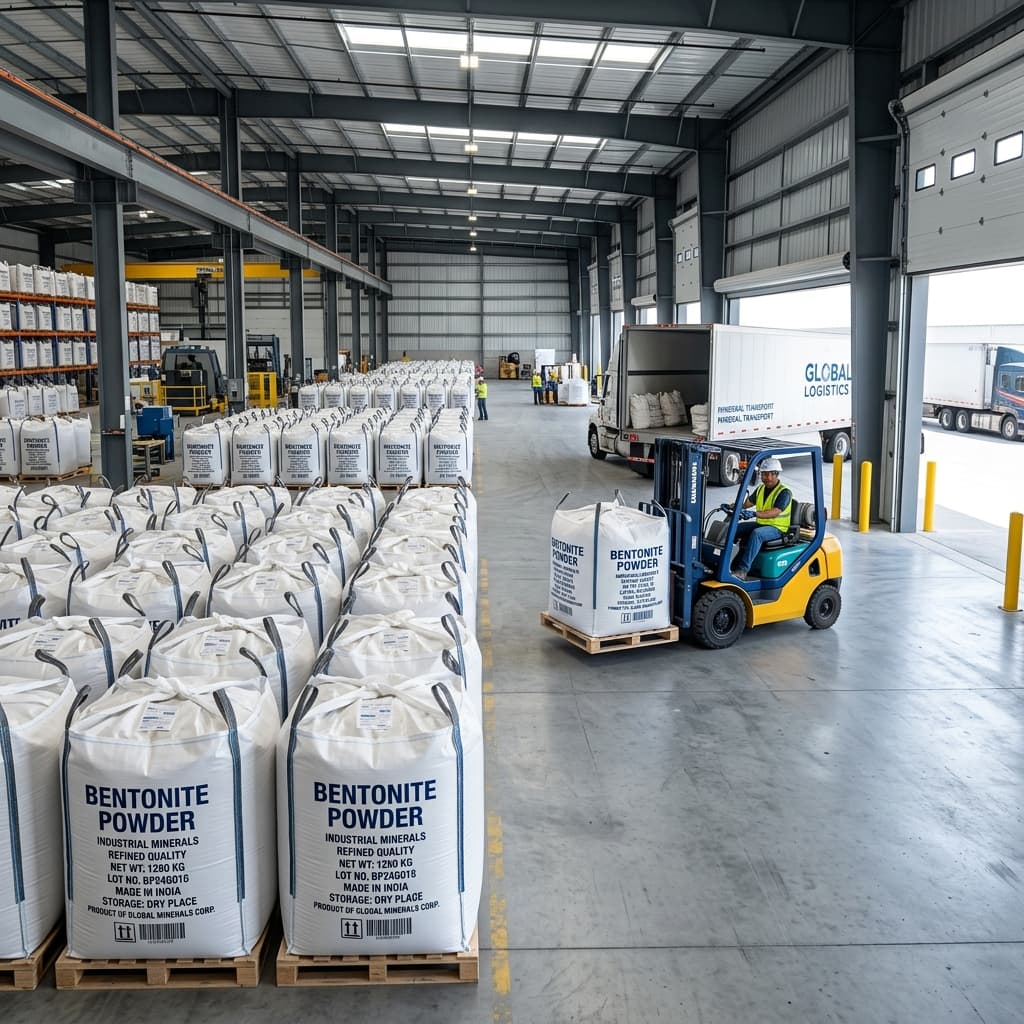
Bentonite must be protected from moisture during transport, as absorbing water in transit can ruin the product.
- Jumbo Bags: 1.0 to 1.25 Metric Ton bags are the industry standard for bulk cargo. Look for UV-resistant bags with inner liners to prevent moisture entry.
- Small Bags: 25 kg or 50 kg multi-walled paper or laminated plastic bags are ideal for manual batching.
- Bulk Shipments: For large-scale projects, ensure the supplier can coordinate bulk vessels (loose in hold) and has experience with fast loading.
5. Export Logistics and Proximity to Ports
Because bentonite is a heavy mineral, transport costs can represent a significant portion of your delivered price.
- Port Proximity: Choose a manufacturer located near deepwater ports. For example, suppliers in Gujarat, India, are close to Mundra Port and Kandla Port. This minimizes inland transport costs and shipping times.
- Customs Clearances: A supplier with dedicated export compliance teams can handle B/L documentation, certificate of origin filings, and customs clearance quickly, avoiding costly port delays.
Conclusion: Partnering for Success
Selecting a B2B bentonite supplier should be based on technical capability, quality control, and logistical efficiency, rather than price alone.
Marjaan Minerals is a leading B2B bentonite manufacturer and exporter based in Gujarat, India. With owned mines, modern processing plants, and certified testing laboratories, we deliver high-quality clay products to global industries.