
How Much Bentonite Is Required for Earthing?
One of the most common practical questions during earthing system design and installation is: How much bentonite is required?
There is no single universal answer. The quantity of earthing-grade bentonite depends on several site-specific and design factors. Using too little material reduces the performance benefits, while excessive use increases cost without proportional improvement.
This guide explains the key factors that determine bentonite quantity and provides a simple method to estimate requirements.
Factors Affecting Quantity
The amount of bentonite needed is influenced by:
- Type and dimensions of the earth electrode
- Diameter and depth of the borehole or trench
- Desired thickness of the bentonite envelope around the electrode
- Soil conditions and installation method
- Whether the bentonite is placed as a pure backfill or mixed with soil
Accurate estimation starts with understanding the geometry of the installation.
Electrode Dimensions
Common earth electrodes include:
- Vertical rods (typically 16 mm, 20 mm, or 25 mm diameter)
- Horizontal tapes or cables
- Earth plates or mats
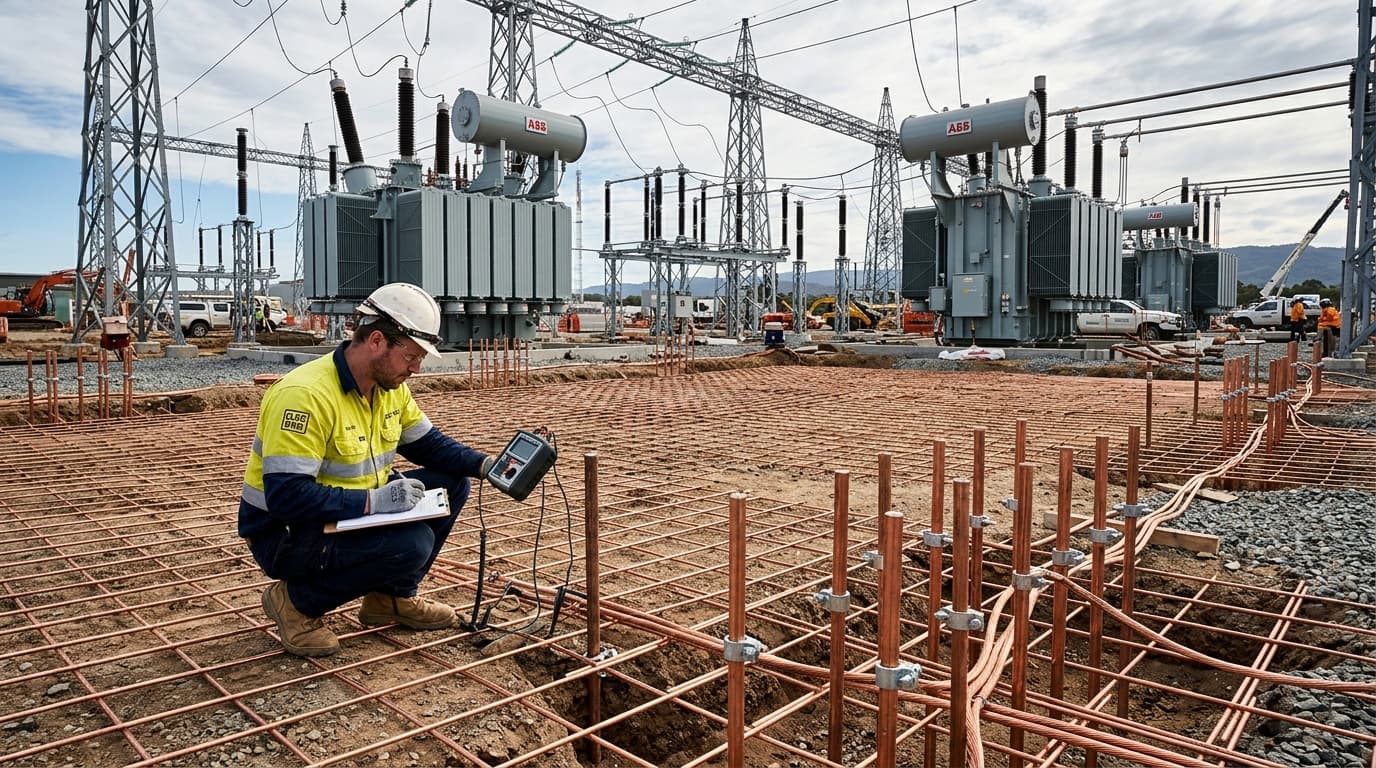
For vertical rods (the most common application for bentonite), the length of the rod and the annular space around it largely determine the volume of material required.
Hole Diameter
The borehole diameter is one of the most important variables.
Typical practice:
- Borehole diameter is usually 100 mm to 200 mm (or larger) depending on rod size and design requirements.
- A larger annular space allows a thicker bentonite envelope, which increases the effective electrode diameter and improves performance.
The volume of bentonite is calculated based on the cross-sectional area of the annulus (hole area minus electrode area) multiplied by the depth.
Hole Depth
Deeper electrodes generally require more material. Quantity increases linearly with depth for a given hole diameter.
For example:
- A 3-metre deep hole requires roughly three times the material of a 1-metre deep hole of the same diameter (assuming full-depth backfill with bentonite).
In many designs, bentonite is used for the full depth of the borehole. In others, it may be concentrated in the lower portion or around critical sections.
Soil Conditions
Soil type influences both the design and the practical quantity:
- In high-resistivity or rocky soils, designers often specify larger holes or greater bentonite thickness to maximise performance.
- In loose or highly permeable soils, a slightly higher quantity may be used to compensate for potential migration or incomplete compaction.
- Very dry sites may require careful hydration planning, but this does not necessarily change the dry quantity of bentonite.
Bentonite Placement
How the bentonite is placed affects the final quantity:
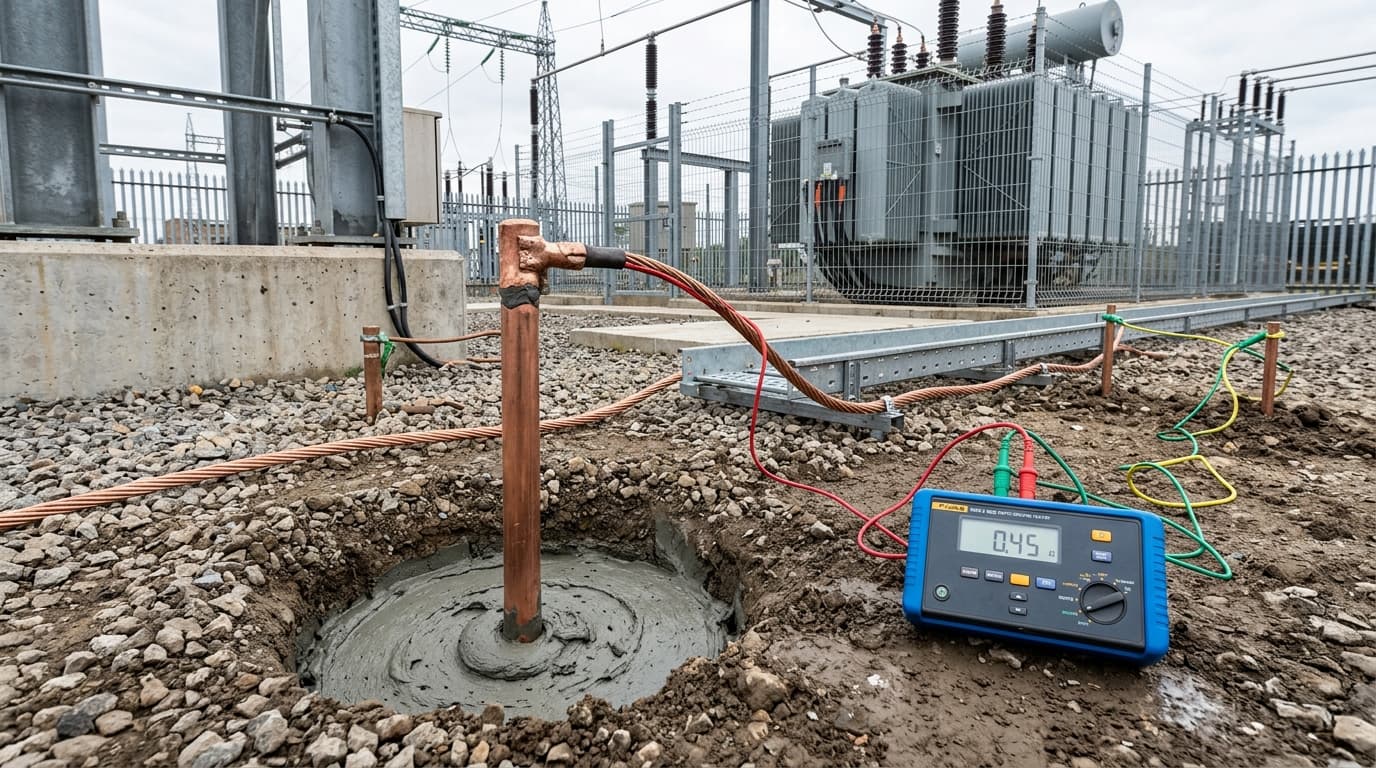
- Pure bentonite backfill: The entire annular space is filled with bentonite slurry or paste.
- Bentonite + soil mix: Sometimes bentonite is blended with excavated soil. This reduces the pure bentonite quantity but may also reduce performance.
- Layered or partial fill: Bentonite may be placed only around the lower section of the rod or in specific zones.
Most high-performance installations use pure or high-concentration bentonite around the electrode for maximum benefit.
Simple Calculation Example
Here is a basic method to estimate the dry bentonite quantity for a vertical rod:
Volume (m³) = (π / 4) × (D² - d²) × L
Where:
- D = borehole diameter (m)
- d = electrode diameter (m)
- L = length of bentonite column (m)
Step 2: Convert volume to weight
Dry bentonite bulk density typically ranges from 800–1,100 kg/m³ depending on the grade and packaging. A commonly used approximate value for estimation is 1,000 kg/m³.
Example:
- Borehole diameter = 150 mm (0.15 m)
- Rod diameter = 20 mm (0.02 m)
- Depth of bentonite fill = 3 m
Volume = (π / 4) × (0.15² - 0.02²) × 3 ≈ 0.052 m³
At 1,000 kg/m³ → approximately 52 kg of dry bentonite.
Note: This is a theoretical volume. In practice, allow a small extra quantity (10–15%) for wastage, uneven holes, and proper hydration.
Why Quantity Should Not Be Determined by Weight Alone
Simply specifying “X kg per rod” without considering geometry can lead to under- or over-application.
- A narrow hole needs less material than a wide hole for the same depth.
- Performance depends more on the thickness of the bentonite envelope and complete coverage than on total weight.
- Hydration ratio (water-to-bentonite) also affects the final installed volume and density.
Always start from the required geometry and work backwards to the dry weight.
Site-Specific Considerations
Final quantity should also take into account:
- Actual drilled hole diameter (holes are often irregular)
- Presence of groundwater (may affect placement method)
- Local design standards or consultant specifications
- Whether horizontal electrodes also require bentonite coverage
- Accessibility and mixing/placement method (manual vs pumped)
For large projects, it is good practice to calculate requirements electrode-by-electrode or trench-by-trench and then add a contingency allowance.
Conclusion
The quantity of bentonite required for earthing depends primarily on the volume of the space that needs to be filled around the electrode. By considering electrode size, hole diameter, depth, and placement method, you can make a realistic estimate and avoid both under-performance and unnecessary cost.
For critical installations, follow the project design specifications and consult the bentonite supplier for recommended application rates and hydration guidelines.
Need help estimating quantities for your project?
Contact the Marjaan Minerals technical team or explore our Earthing Grade Bentonite for consistent quality and reliable performance.