
How to Choose Earthing Grade Bentonite
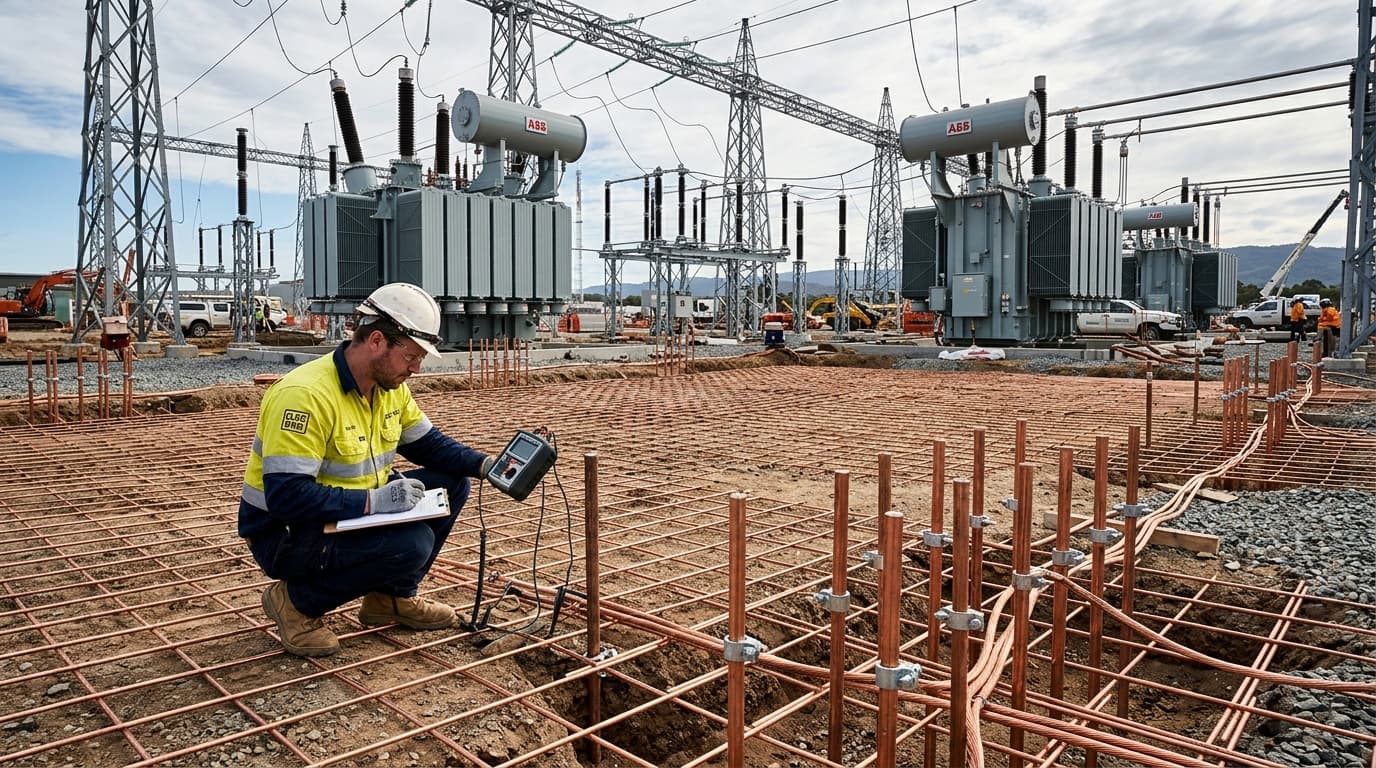
Selecting the right earthing grade bentonite is essential for achieving low and stable ground resistance over the long term. Not all bentonite products are suitable for electrical grounding applications. Using the wrong grade can result in poor swelling, inadequate moisture retention, higher earth resistance, or premature system degradation.
This practical guide outlines the key parameters you should evaluate when choosing earthing grade bentonite, so you can make an informed and reliable selection.
Swelling Index
Swelling capacity is one of the most critical performance indicators for earthing applications.
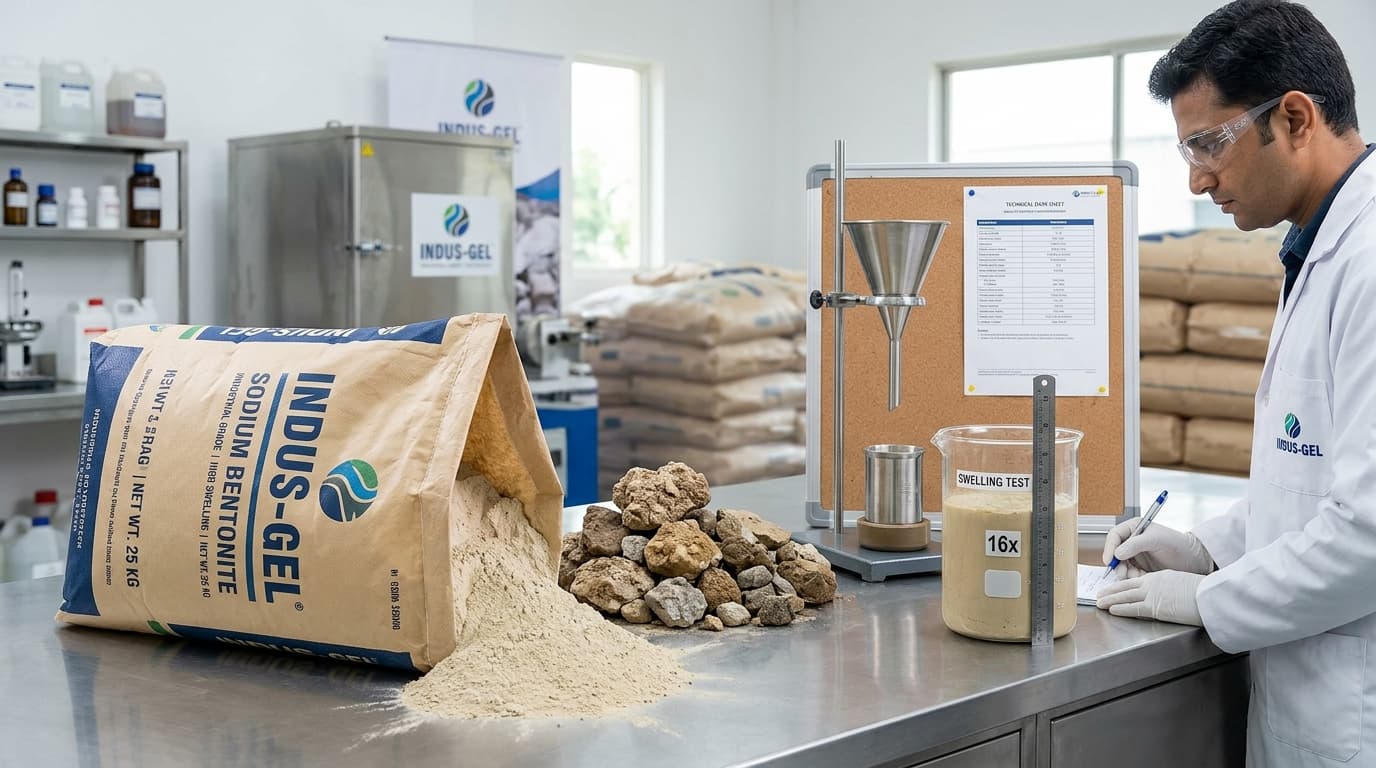
- High-quality sodium bentonite should show a free swelling volume of ≥ 20–25 ml (typically measured with 2 g of bentonite in 100 ml of water).
- Higher swelling means the material expands more effectively to fill voids around the electrode and create intimate soil-to-electrode contact.
Tip: Always request the free swell test result from the supplier. Low swelling bentonite (common with calcium grades) performs poorly in grounding systems.
Moisture Content
Moisture content of the supplied product typically ranges between 10–14%.
- Too high moisture can cause handling and storage issues (caking).
- Too low moisture is usually not a major problem, as the material will be hydrated during installation.
- Consistent moisture content across batches indicates good process control.
Check the product data sheet for the guaranteed moisture range.
Particle Size
Particle size distribution affects mixing ease, placement, and final performance.
- A high percentage of material passing 200 mesh (typically ≥ 70–85%) is preferred for powder grades.
- Fine particles hydrate more readily and form a more uniform, dense paste around the electrode.
- Excessively coarse material may leave voids and reduce contact efficiency.
Granular grades are also available and can be easier to handle in some field conditions, provided they hydrate properly.
Montmorillonite Content
Montmorillonite is the active clay mineral responsible for the swelling and water-retention properties of bentonite.
- Higher montmorillonite content generally correlates with better performance.
- Quality earthing grades typically contain a high percentage of montmorillonite (often indicated indirectly through methylene blue absorption or cation exchange capacity tests).
Ask the supplier for supporting data such as Methylene Blue Value (MBV) or estimated montmorillonite content.
pH
The pH of a 2% bentonite slurry is an important indicator for electrode protection.
- Ideal range for earthing applications is typically 8.0 – 10.0.
- Mildly alkaline conditions help protect copper and galvanized electrodes from corrosion.
- Extremely high or low pH values should be avoided.
Request the measured pH value on the technical data sheet.
Chemical Composition
While full chemical analysis is not always necessary for every buyer, key oxides provide useful insight:
- Silica (SiO₂), alumina (Al₂O₃), and iron oxide levels should be consistent with montmorillonite-rich clay.
- Sodium content (or sodium activation level) is more important than calcium content for swelling performance.
- Low levels of harmful impurities are preferred.
A basic oxide analysis or at least confirmation of sodium-based / sodium-activated nature is recommended.
Purity
Purity refers to the absence of excessive grit, sand, or non-clay minerals.
- Low grit content improves workability and reduces the risk of abrasion or incomplete sealing around the electrode.
- High impurity levels can dilute the active clay content and reduce overall effectiveness.
Look for products with controlled residue on sieve and low free silica/grit.
Packaging
Proper packaging protects product quality during transport and storage.
Common options include:
- 25 kg multi-wall paper bags or HDPE bags
- 50 kg bags
- 1 MT jumbo bags (bulk bags)
Ensure packaging is moisture-resistant and clearly labelled with product name, batch number, net weight, and manufacturing date. For large projects, jumbo bags improve handling efficiency.
Product Consistency
Batch-to-batch consistency is critical for predictable field performance.
- Reputable suppliers maintain tight process control so that swelling, moisture, particle size, and other parameters remain within narrow limits across production lots.
- Inconsistent material can lead to variable earth resistance results on the same site.
Ask whether the supplier follows a documented quality management system and can provide certificates of analysis for each batch.
Supplier Quality Documentation
Never rely on verbal claims alone. Request the following documents:
- Technical Data Sheet (TDS) with key parameters
- Certificate of Analysis (CoA) for the specific batch
- Test methods used (e.g., free swell, moisture, pH, particle size)
- Material Safety Data Sheet (MSDS/SDS)
- Where available, third-party test reports
A transparent supplier who readily provides complete documentation is usually a safer choice than one who cannot.
Quick Selection Checklist
When evaluating earthing grade bentonite, verify:
- Sodium-based or sodium-activated montmorillonite
- Free swelling index ≥ 20–25 ml
- Moisture content in the 10–14% range
- High percentage passing 200 mesh
- pH (2% slurry) between 8.0 and 10.0
- Low grit / good purity
- Consistent batch quality
- Complete TDS + CoA available
- Suitable packaging for your project scale
Conclusion
Choosing the right earthing grade bentonite is not just about price — it is about selecting a material that will deliver reliable swelling, moisture retention, and low resistivity for the life of the grounding system. By focusing on the parameters outlined above and working with a reputable supplier, you can significantly improve the performance and longevity of your earthing installation.
Contact the Marjaan Minerals technical team for detailed specifications, sample test reports, and application guidance.